Sharp: A Decorative Display Font for Unforgettable Headlines
When you're working on a project that needs to stop someone mid-scroll or catch a customer's eye from across a room, a standard font won't cut it. You need a typeface with presence. This is where Sharp enters the conversation. It’s a decorative display font built for moments of high impact, designed for creators who want their work to have a distinct and artistic voice. If your goal is to create something that feels both bold and professionally crafted, Sharp offers a compelling toolkit.
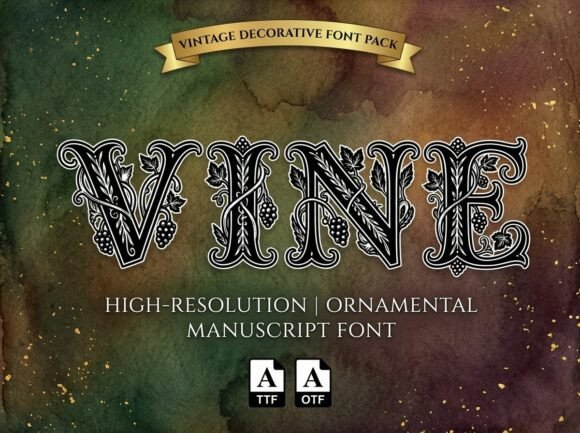
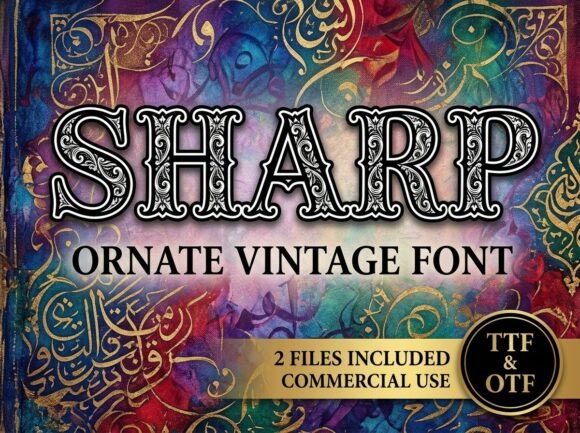
Let's be clear about what Sharp is, and what it isn't. As a display font, its primary job is to command attention in short bursts—think headlines, logos, and single-word statements. It’s not the typeface you’d choose for writing a novel or setting long paragraphs of body text. Its strength lies in its visual personality. Each letterform in Sharp is treated as a piece of art, featuring unique details and a strong, cohesive style. This gives it a modern typography feel that avoids looking generic. The overall aesthetic is polished yet expressive, striking a balance that’s often hard to find in more decorative premium fonts.
Where Sharp Truly Shines
Understanding a font's ideal environment is key to using it effectively. Sharp’s bold character makes it a natural fit for projects where visual hierarchy is established through large, dominant text. In logo design, it can form the core of a brand’s visual identity, especially for businesses in creative industries, boutique retail, or tech startups wanting a fresh look. The artistic elements give a logo instant recognition, helping it stand apart from competitors using more common sans serif fonts or minimalist serif fonts.
Beyond logos, consider its application in editorial design and packaging design. For a magazine cover or a book title, Sharp can set a powerful tone, immediately conveying the genre or mood. On product packaging, particularly for limited editions or specialty items, it can elevate the perceived value and create a shelf presence that’s hard to ignore. The font’s versatility also extends to the digital realm. For web design, it’s perfect for hero section headlines or key call-to-action statements that need to grab a visitor's attention instantly. Similarly, in social media graphics, a post or story featuring Sharp in a major headline is more likely to stop the scroll than one using a standard system font.
Making It Work: Practical Guidance for Your Project
Choosing a creative font like Sharp is just the first step. Using it well requires some thought. The most critical point to remember is that Sharp is an ALL-CAPS typeface. It does not include lowercase letters. This is a deliberate design choice that reinforces its role as a high-impact display tool. It means every headline you set will have a uniform, monumental quality. This works brilliantly for acronyms, brand names, or short, punchy taglines. However, for longer statements, be mindful that all-caps text can be harder to read if overused. Reserve it for your most important words.
A common question is how to pair a strong display font like Sharp with other typefaces. A good font pairing creates contrast and balance. Since Sharp handles the expressive, decorative role, you’ll want a complementary workhorse font for body text. A clean, highly readable sans serif font or a classic serif font often makes an excellent partner. The goal is to let Sharp be the star of the show for headlines while the supporting font ensures the rest of your content is easily digestible. Avoid pairing it with another highly decorative or script font, as this can create visual chaos and undermine readability.
Understanding the Files and Licensing
When you invest in a commercial font, you’re getting more than just a pretty set of letters. You’re acquiring a professional design asset. Sharp comes with the industry-standard OTF and TTF files. The OTF (OpenType Font) file is generally preferred by designers using advanced software like Adobe Illustrator or InDesign, as it often contains more sophisticated typographic features. The TTF (TrueType Font) file ensures universal compatibility, meaning you can use it on virtually any computer or basic design program without issues. This makes it a practical choice for both seasoned professionals and those just starting their creative journey.
Before you finalize any project, always consider the licensing. The terms of use will outline what is permissible, whether for personal projects, client work, or commercial products. Reviewing this ensures you’re using the font appropriately and respecting the creator’s work. For entrepreneurs and small business owners, this clarity is essential for building a brand identity that is both beautiful and legally sound.
Sharp is more than just a collection of glyphs; it’s a tool for making a statement. It’s for the designer crafting a memorable brand, the publisher designing a captivating cover, or the entrepreneur building a standout product line. By understanding its strengths and using it with intention, you can leverage its unique personality to create work that is not only seen but remembered.